Rhineland-Palatinate: Germany’s Most Unlikely State
Rhineland-Palatinate was assembled from regions with different histories, identities, and former rulers. Its survival shows how political borders can eventually create a sense of belonging.

Rhineland-Palatinate was assembled from regions with different histories, identities, and former rulers. Its survival shows how political borders can eventually create a sense of belonging.
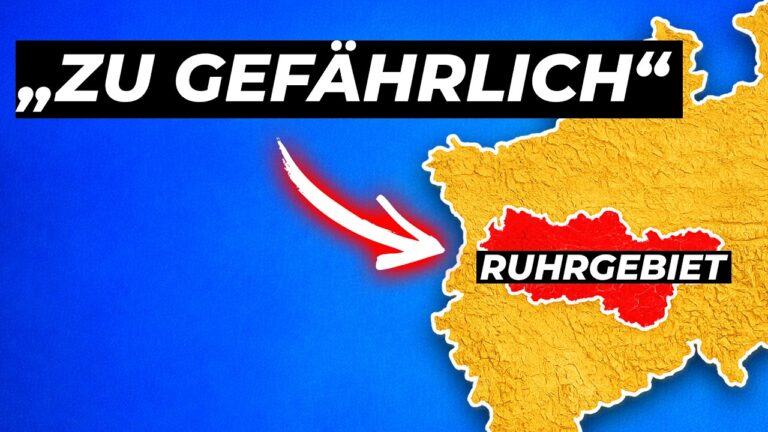
With 5.1 million residents, 53 cities and a powerful regional identity, the Ruhr is large enough to be a German state. Yet it is divided among several administrative authorities. The reason lies in postwar strategy, the Cold War and the political difficulty of changing the map.
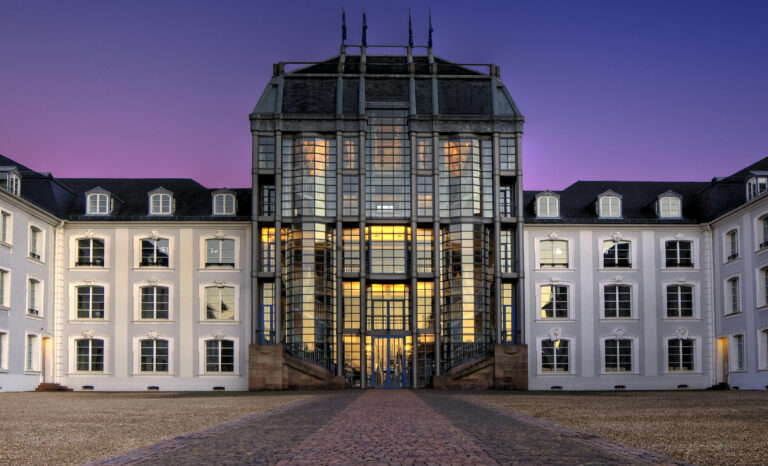
For decades after two world wars, the Saarland existed between Germany and France with its own institutions, currency, passport, and international sporting presence. Its history was ultimately decided by two landmark votes.