Salzburg’s Lost Sovereignty: How a German-Speaking Land Became Austrian
Salzburg’s modern identity is often associated with Austria, but its political history is far more complicated. For centuries, Salzburg existed as a self-governing ecclesiastical state in the German-speaking world. It was wealthy, diplomatically active and legally distinct from both Bavaria and Austria. Yet within a few turbulent decades, it was secularised, transferred between rival powers and finally divided by a new international order.
A Small State Built on Salt
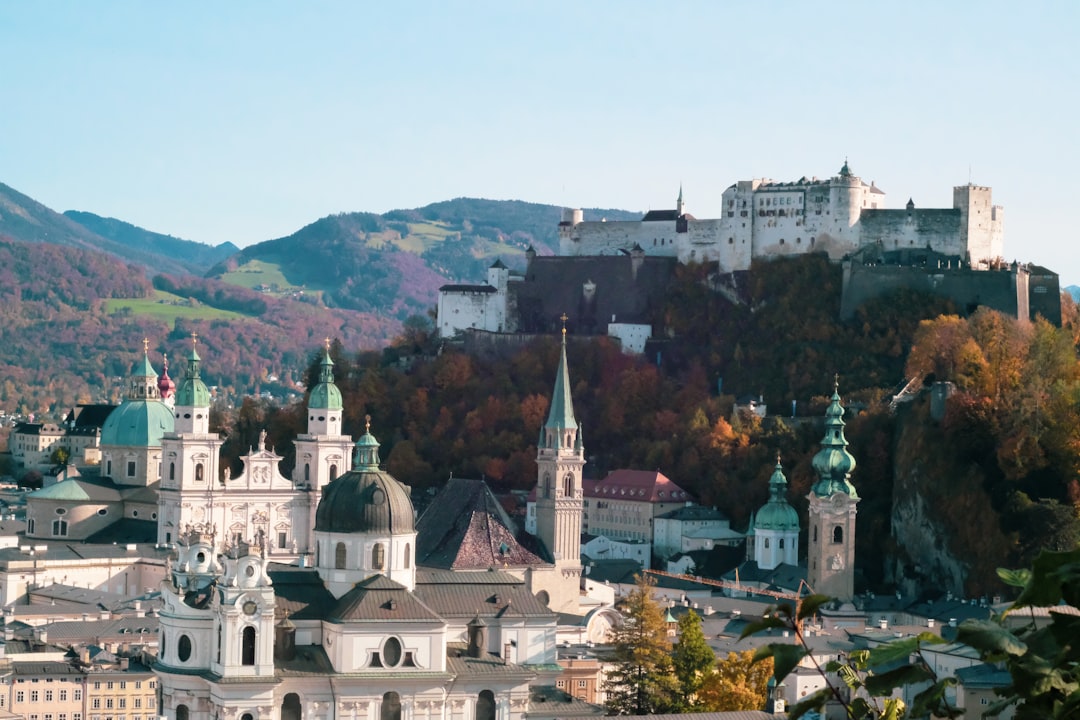
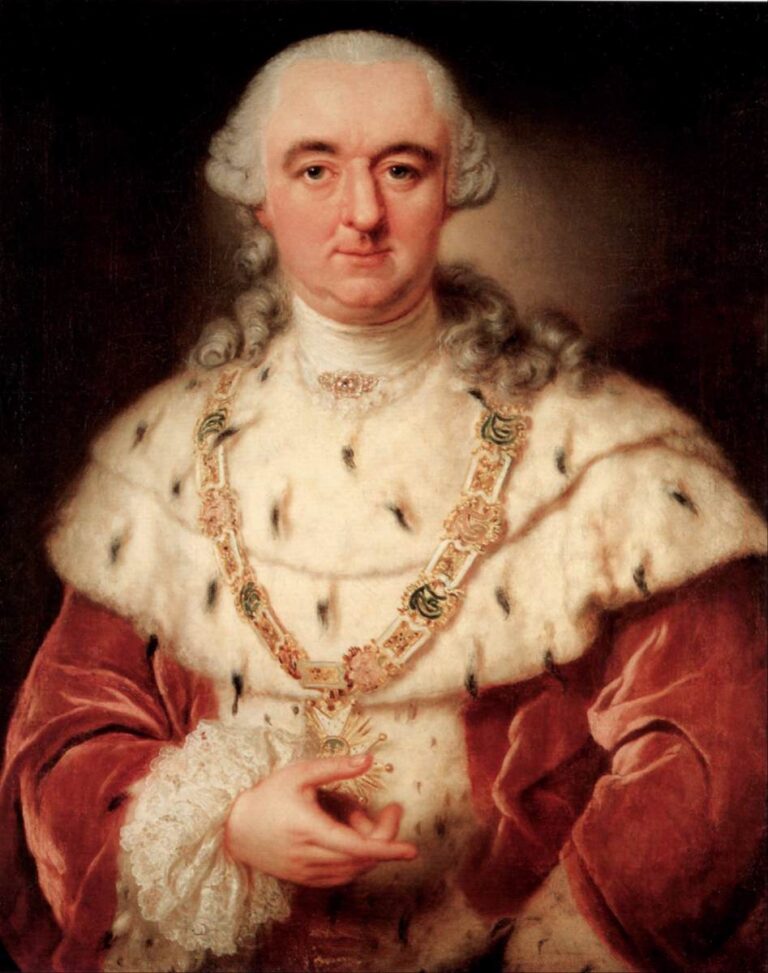
Salzburg began as a church foundation on Bavarian soil. A bishopric was established in the Roman settlement of Iuvavum around 696, and it was elevated to an archbishopric in 798. By the fourteenth century, the territory had developed into an autonomous principality within the Holy Roman Empire. From about 1350, its rulers used the title of Prince-Archbishop, combining religious authority with the powers of a territorial sovereign.
The prince-archbishops governed through their own estates, courts and laws, and they conducted foreign policy independently. Salzburg was divided administratively between the Inner Mountains, the Alpine valleys to the south, and the Outer Mountains, the flatter country around the city. Its economic strength came principally from salt, a strategic commodity used to preserve meat and fish. Gold and silver also contributed to its wealth.
Revenues from these resources helped finance Salzburg’s cathedral, fortifications and grand residences. The city’s famous architecture was therefore not merely an expression of religious devotion; it was also a visible declaration of the state’s economic and political power.
Religious Authority and the Expulsion of the Protestants
The independence of Salzburg could have severe consequences for its inhabitants. In 1731, Prince-Archbishop Leopold Anton von Firmian issued an emigration decree against the Protestant population. Around 20,000 people—roughly a tenth of the territory’s population—were expelled.
The deadlines varied according to social status. Landless workers were given only a few days, while farmers with property received more time to settle their affairs. Many of the exiles travelled north, and a significant number died during the journey. Prussia accepted most of them and resettled them in its eastern territories; smaller groups went as far as the Netherlands and the English colony of Georgia.
The episode demonstrated how much authority Salzburg’s rulers possessed. A territorial government could remove a substantial portion of its own population and trigger a migration across Europe without an outside power intervening.
Napoleon Ends the Ecclesiastical State
Salzburg’s political system was ultimately destroyed not by an internal revolt but by the reorganisation of Europe during the Napoleonic era. In 1803, the Holy Roman Empire’s secularisation process ended the prince-archbishops’ temporal rule. Salzburg was transformed into a secular electorate and assigned to Ferdinand of Tuscany, a Habsburg ruler.
The territory then entered the Austrian Empire after the Peace of Pressburg in 1805. Following Austria’s defeat by Napoleon, it briefly became part of the French sphere of influence before being transferred to the Kingdom of Bavaria in 1810. Salzburg was no longer an independent country. It became an administrative district within the Salzach district, alongside territories that included parts of the Innviertel, the Hausruckviertel and the Tyrolean area around Kitzbühel.
The city was administered by a Bavarian governor, while Crown Prince Ludwig resided at Mirabell Palace. In little more than a decade, Salzburg had passed through five different political arrangements. None of these changes was decided by its inhabitants.
The Price of Bavaria’s Change of Sides
Bavaria owed its elevation to a kingdom and its Napoleonic territorial gains to its alliance with France. As Napoleon’s defeat became increasingly likely, Bavaria changed sides. On 8 October 1813, it concluded the Treaty of Ried with Austria and joined the coalition shortly before the Battle of Leipzig.
The terms had already been agreed: Bavaria would retain its sovereignty and royal title, but it would surrender the territories acquired through Napoleon. The transfer was formalised in the Treaty of Munich in 1816. In return, Bavaria kept the Rhine Palatinate, including much of the Wittelsbach dynasty’s ancestral territory, as well as several smaller possessions and a substantial share of the French war indemnities.
Salzburg was therefore not lost as a punishment for a battlefield defeat. It was the territorial price Bavaria had agreed to pay for its timely diplomatic realignment. Great-power diplomacy determined the outcome, while the people living in Salzburg had no formal say.
A Borderland Split by the Salzach
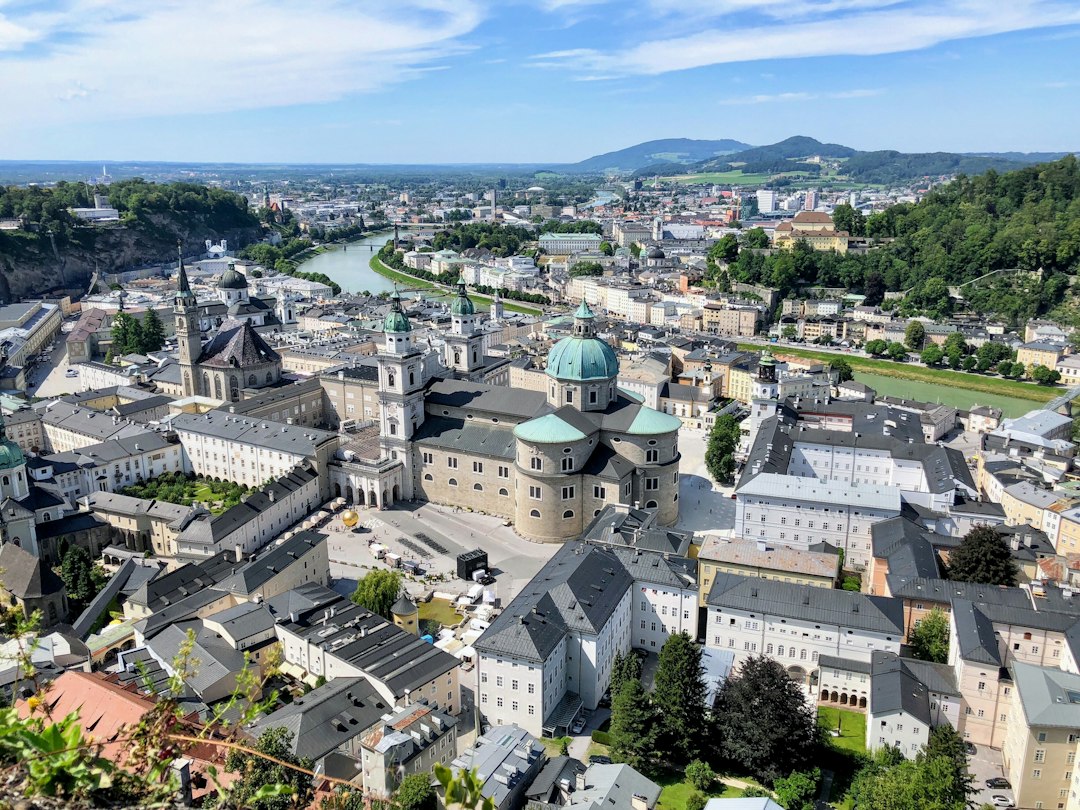
The new frontier had immediate practical consequences. The town of Laufen was divided down the middle. Its eastern section, on the far side of the Salzach, became Austrian Laufen and later developed into Oberndorf and Altach. Communities that remained in Bavaria lost their traditional economic centre and much of the market for their agricultural products.
The Salzach’s salt shipping trade, which had supported the region for centuries, also declined. The border disrupted old commercial connections even though the local population continued to share language, customs and family ties.
One unusual remnant of the old arrangements survived in the mountains. Under the Salinen Convention of 1829, Bavaria retained forestry rights in the Saalforste near Pinzgau. The agreement placed roughly 18,500 hectares under Bavarian ownership, including about 11,000 hectares of forest, even though the land lies within Austrian territory. These forests remain part of the Bavarian state’s holdings and are an enduring reminder that political borders did not erase every older legal relationship.
The 1921 Vote for Germany
The territorial question returned after the First World War, when the Habsburg Empire collapsed. Austria became a much smaller republic, and many German-speaking Austrians argued that their future should lie in union with Germany.
In April 1921, more than 98 percent of voters in Tyrol supported such a union in a regional consultation. Salzburg followed on 29 May. The result was overwhelming: approximately 98,700 people voted in favour, compared with around 850 against, producing a majority of roughly 99.3 percent.
Despite the scale of the vote, it had no legal effect. The consultations were not binding referendums, and the treaties imposed after the war explicitly prohibited Austria from joining Germany. The Allied powers, particularly France, blocked further regional votes and warned Austria—already suffering severe economic hardship—that foreign credit could be withdrawn.
Austria’s government was forced to abandon the planned consultations elsewhere. The popular decision in Salzburg could not override the international settlement, just as earlier decisions by monarchs and emperors had ignored the wishes of the territory’s population.
A State Reshaped by Treaties
Salzburg’s story is one of sovereignty repeatedly altered by agreements made elsewhere. It was independent for roughly five centuries, but it did not lose that independence through a conventional military defeat. Instead, secularisation ended the rule of its prince-archbishops, Napoleonic diplomacy transferred the territory to Bavaria, and the postwar settlement fixed it within Austria.
The result is an unusually layered borderland. Parts of the historic Salzburg region remain closely connected to Bavaria, while Bavarian state property still lies inside Austria. Even the population’s later vote for union with Germany failed to change the country’s boundaries.
Salzburg’s political history shows how borders can be created through diplomacy, dynastic bargains and international pressure rather than through the preferences of the people who live within them. Its identity survived every transfer, but its sovereignty did not.